

When I was growing up, we sat down at the table every night.
Now, that doesn’t mean every supper was fancy. It certainly wasn’t. Sometimes it was simple. Sometimes it was stretched. Sometimes it may very well have included a blue box of macaroni and cheese. But no matter what was on the plate, we sat down together.
And that mattered.
That table was where we ate, of course, but it was also where we talked, laughed, listened, learned, and just plain did life together. Looking back, I can see now that it shaped me in ways I probably didn’t understand then. It taught me that food didn’t have to be elaborate to be meaningful. Sometimes the most important thing about supper wasn’t what we ate at all. It was the fact that we stopped long enough to be together.
That idea has stayed with me my whole life. And in so many ways, it’s the reason this book exists.
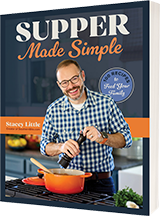
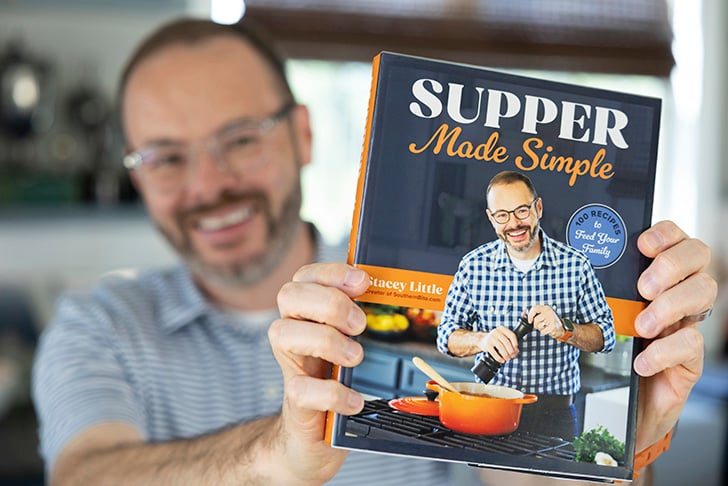
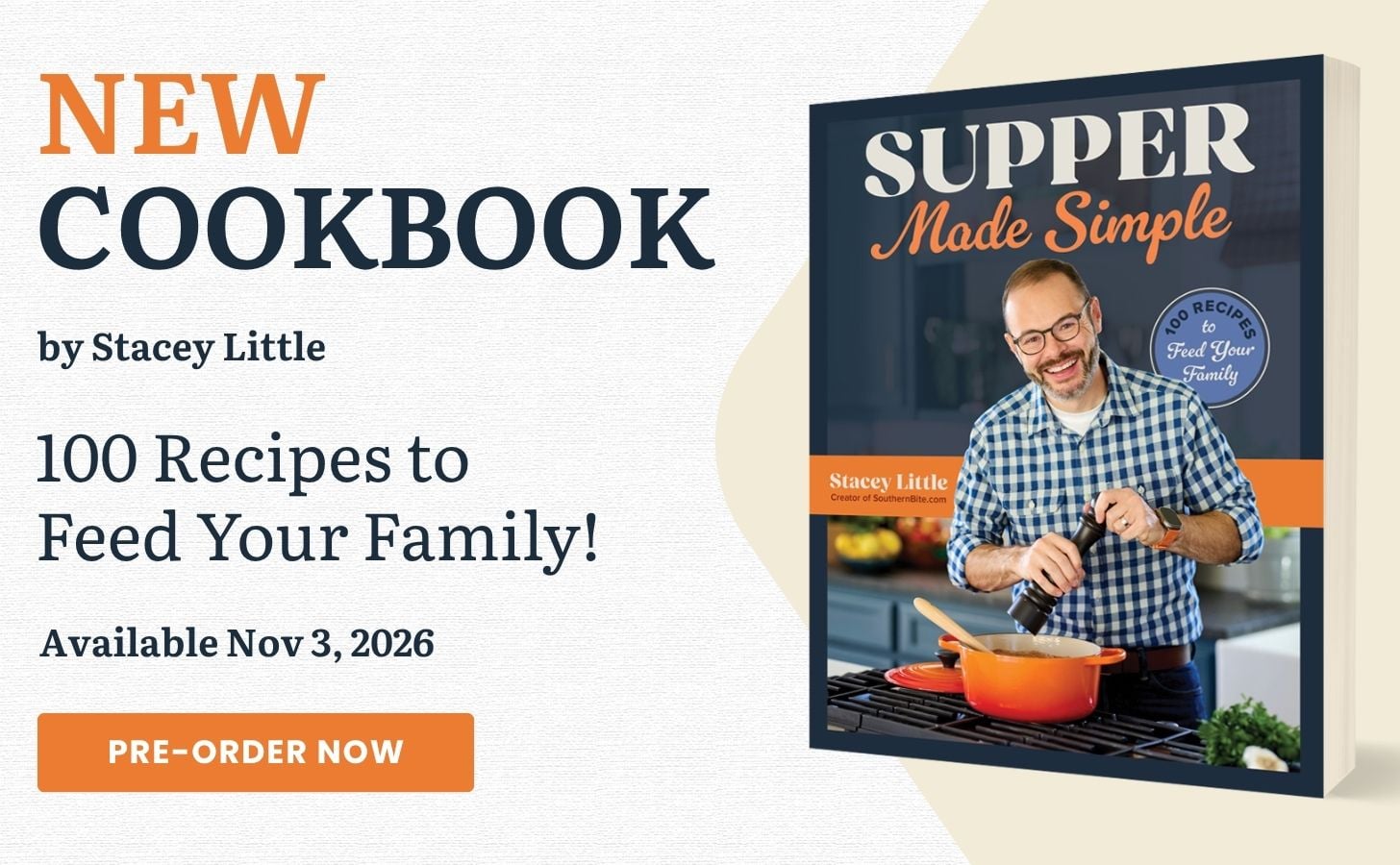
Because these days, a whole lot of families don’t have that same rhythm. Life is louder. Faster. More crowded. Folks are running in a hundred directions, and by the time supper rolls around, just figuring out what to make can feel like too much. I get that. I live that. And that’s exactly why I wanted Supper Made Simple: 100 Recipes to Feed Your Family to be more than a collection of recipes.
I wanted it to be useful.
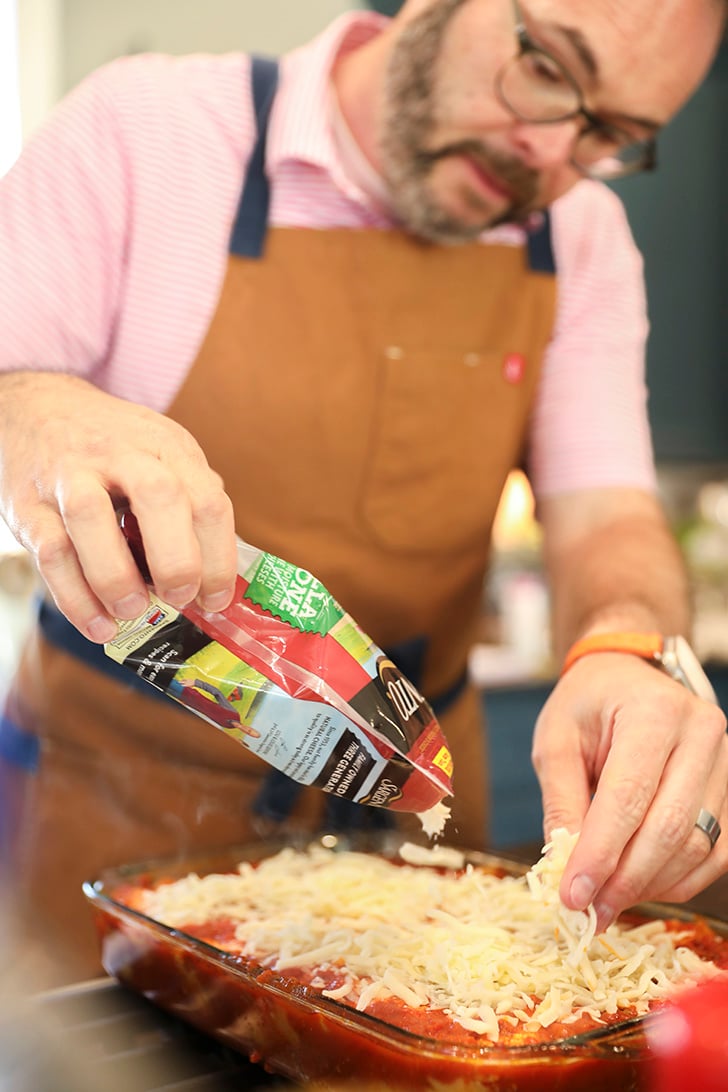
I wanted it to be a true kitchen workhorse. A book full of meals that real families can actually make, with ingredients they can actually find, on nights that feel like real life and not some fantasy version of it.
That’s one of the biggest things that makes this book different from my first one.
My first cookbook was deeply rooted in family recipes. It was an homage to the food I grew up with and the people who shaped me. This book is different. This one is new. These are recipes I created specifically for y’all. And that made this process feel deeply personal in a whole different way.
With every recipe, I kept thinking about the same things. Can readers find this ingredient? Will this make sense on a busy Tuesday night? Is this something I’d actually cook for my own family? Around here, I’ve always kind of had what I call the Walmart rule. If I can’t find it at Walmart, I probably don’t need to be asking y’all to go chase it down. That guided this book in a big way. I didn’t want it packed with ingredients that felt fussy or hard to find. I wanted it grounded in real life.
And that’s where making a cookbook gets more complicated than most folks probably realize.
You don’t just write a recipe, snap a photo, and call it a day.
These recipes had to be tested, and then tested again. They had to be cooked in kitchens that weren’t mine, by people with different schedules, different grocery stores, different appliances, and different levels of experience. That part mattered so much to me because I didn’t want these recipes to only work in my kitchen. I wanted them to work in yours.
That’s why my cadre of devoted recipe testers was such a huge part of this process.
They gave feedback on everything from ingredient availability to quantities to cook times. They caught things I might not have caught because I know these recipes too well. One of the places that was especially helpful was with the air fryer recipes. I hadn’t done a ton with air fryers before this project, but I know they’ve become such an important tool in so many kitchens because they make cooking faster, easier, and more approachable. So those recipes were developed using three different brands of air fryers to make sure they’d work consistently. That kind of back and forth made this book stronger.
Endless thanks to my recipe testers: Charles Adams, Katie Blair, Katie Bulger, Sherri Cargill, Katrina Crandell, Glo Cuthbert, Cathy Davis, Danielle Drollette, Delane Goggans, Kristy Hall, Lisa Henson, Patti Hodge, Shae Howell-Barkand, Kathy Johnson, Debbie Jones, Sunni Kimbro, Dan Knox, Joye Kralovec, Janet Lail, Tonya Lawrence, Linda Locklar, Carole Minor, Paige Moreland, Terrie Morgan, Brooke Mullins, Carol Murry, Janice Nebgen, Cindy Newton, Libby Ousley, Angie Robertson, Gwen Robinson, Robin Rogers, Tracy Shealy, Melissa Slayton, Lynda Spann, and Paula Wolford
And that was the goal all along. Not just to make something pretty, but to make something dependable.
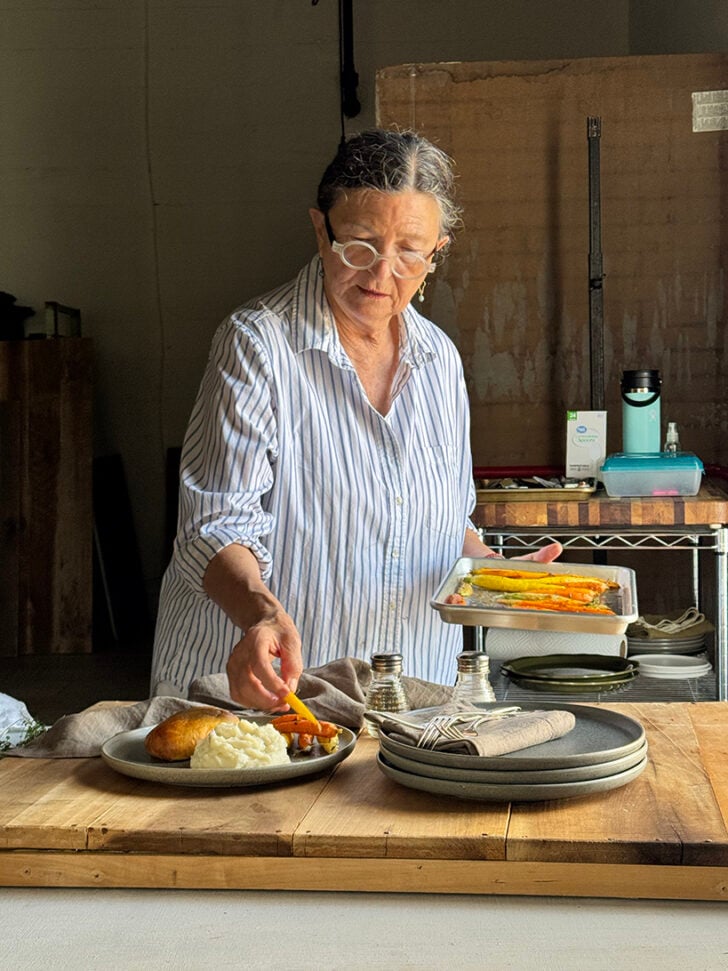
Now, speaking of pretty, this book was a very different experience for me visually, too.
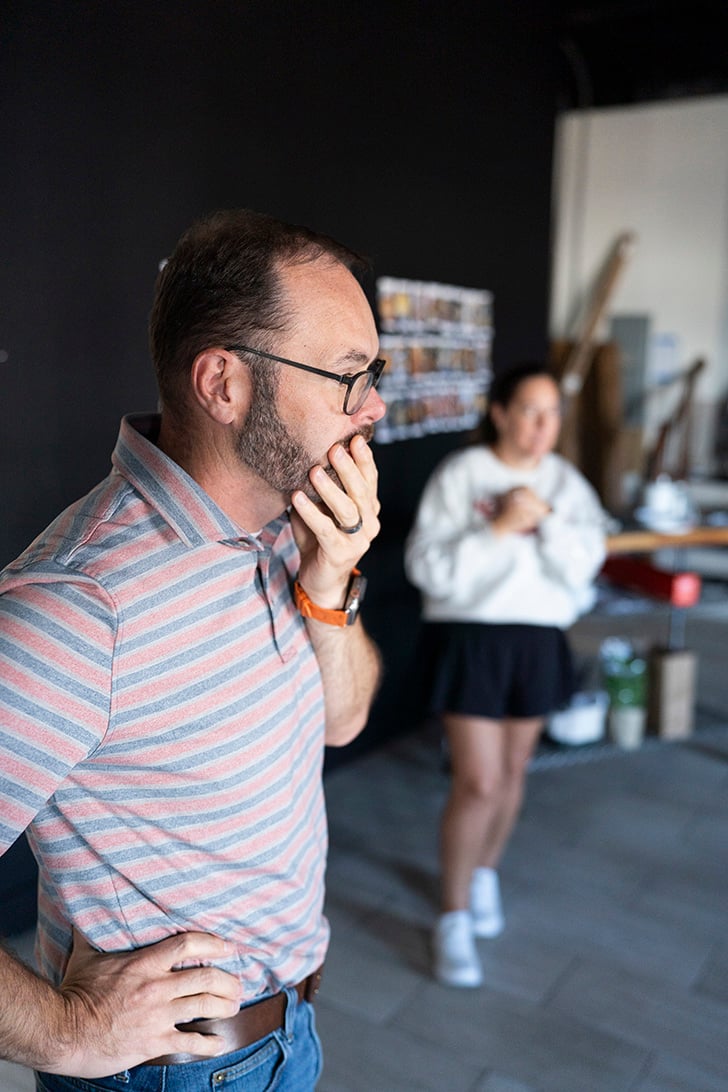
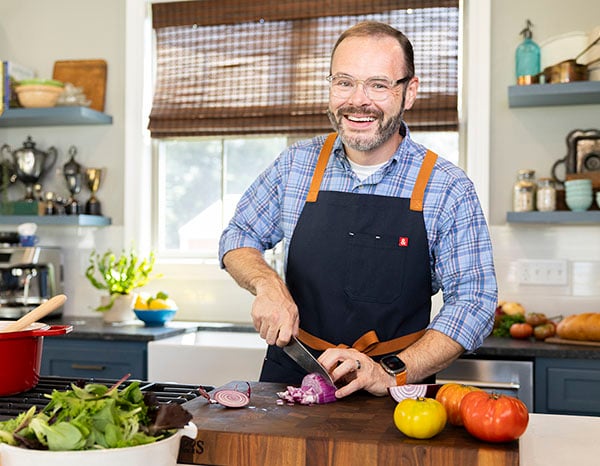
For my first cookbook, I did all the cooking and styling while my talented photographer friend did the photos. I’m proud of that, but I also knew I couldn’t do that again this time and still make the kind of book I wanted this to be. So we brought in photographer Stephanie Mullins and food stylist Teresa Blackburn, and I’m so grateful we did. We spent a week shooting right here in my test kitchen, where so much of this book was born, and then shot the rest in a rented studio in Nashville. I was there for all of it, every setup, every plate, every tiny detail.
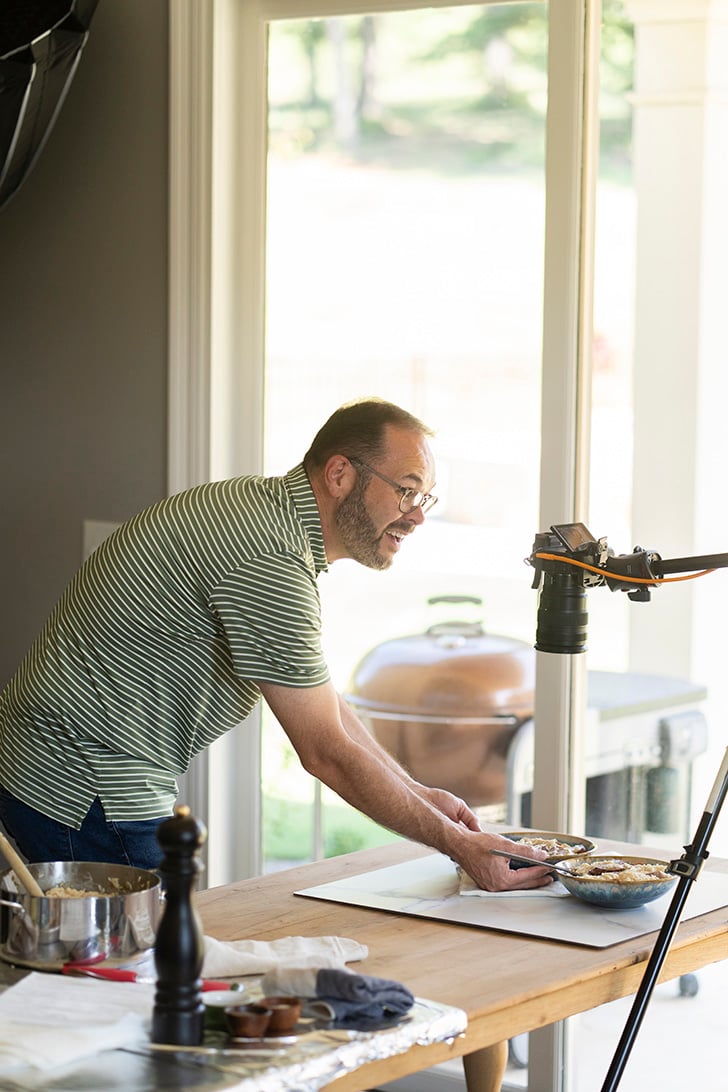
And there are a lot of details.
Nearly every recipe in this book has a photo, which was important to me because folks really do eat with their eyes first. I wanted readers to be able to flip through the book and immediately see food that looked approachable, craveable, and doable. Food that made them think, “Okay, yes. I can make that.”
But one of the things I’m proudest of about this book isn’t even the photography. It’s the way we built in extra help for real life.
Throughout the book, you’ll see three little sections that I love: Make It Supper, Make It Simple, and Make It Special.
Those aren’t just cute add-ons. They’re there because that’s how real people cook.
Make It Supper helps turn a recipe into a full meal with quick and easy side ideas. Make It Simple offers a shortcut for the nights when you’re just trying to get supper on the table without losing your mind. And Make It Special gives you a little way to dress things up when you’ve got a few extra minutes and want to make it feel a little more special.
That may be one of the most “me” parts of this whole book because it reflects the way I think about cooking in real life. Some nights you need easy. Some nights you need help. Some nights you need a little shortcut. And some nights you want to make Tuesday feel like it’s not Tuesday.
The other thing I’m incredibly excited about is the QR codes throughout the book. On certain recipes, readers can scan the code and go straight to a video that walks them through a specific step or technique. Maybe it’s something that’s hard to explain fully in print. Maybe it’s folding calzones or rolling stromboli or pulling together a foil packet meal. Whatever it is, I wanted this book to keep helping even after you turned the page.
That’s really what this whole thing has been about for me. Help.
Not just recipes for the sake of recipes. Not just another cookbook to put on a shelf. Something that actually earns its place in your kitchen.
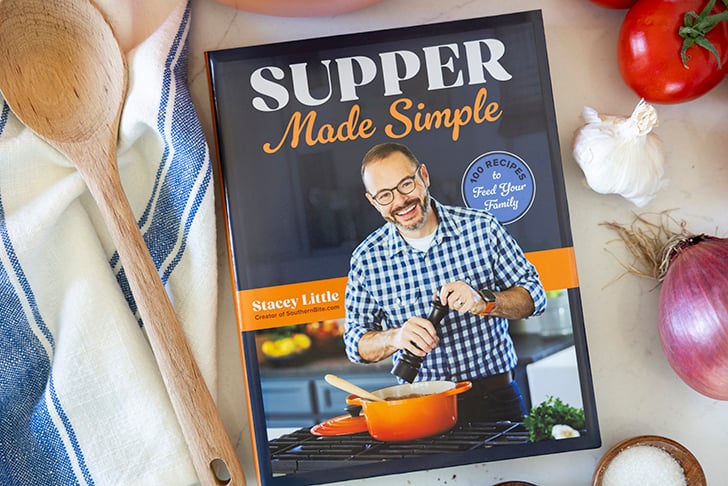
Even the cover became part of that conversation.
Truth be told, I wasn’t sure I wanted to be on the cover at first. I really wanted the food to be front and center. I wanted the book to stand on its own. But somewhere along the way, I started to understand that this book isn’t just about the food. It’s about the life around it. The table behind it. The heart behind it. And this process felt much more collaborative this time around, from the cover to the design to the overall shape of the book. I’ve had more opportunity to weigh in, offer feedback, and help shape how it all came together, and I’m grateful for that.
The team at Countryman Press/W.W. Norton has been wonderful, and my agent, Stephanie Tresner, has helped guide this project every step of the way. Making a cookbook may look like a solo effort from the outside, but it absolutely is not.
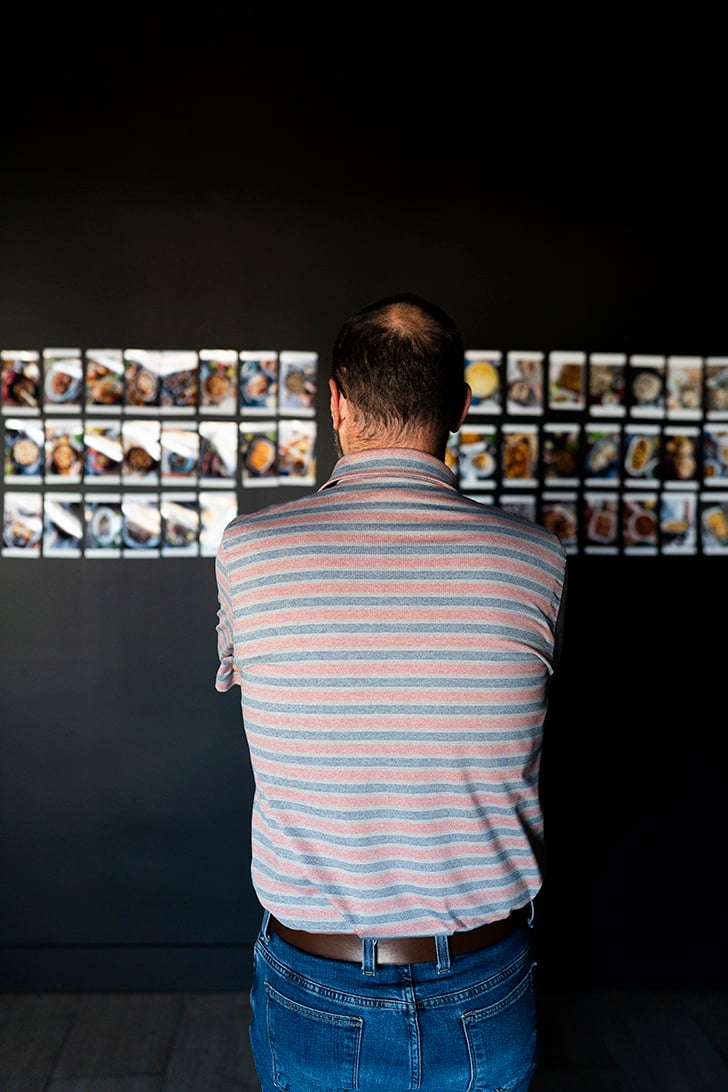
And now here we are in the preorder season of all this, which, I’ll be honest, is not my favorite part.
I know some of y’all are probably thinking, “Lord, is he ever gonna stop talking about this book?” And honestly, I get it. I’m not naturally wired to be a salesman. But preorders really do matter. They tell the sales and marketing teams there is real interest in the book. They help the book get into more stores and bigger retailers. They help build momentum. They can help with visibility and support and yes, even bestseller lists.
So when I talk about preordering, it’s not just because I want to sell a book.
It’s because I believe in what this book is trying to do.
I believe there are still families out there who want to sit down together, even if life is busy. I believe there are folks who want to cook but need recipes that meet them where they are. I believe supper still matters. Maybe now more than ever.
And if this book can make that easier, if it can help one family sit down together one more night a week, then every bit of work that went into it will have been worth it.
That’s what I hope readers feel when they hold this book in their hands. Not pressure. Not perfection. Just possibility.
The possibility that supper can still be simple.
The possibility that gathering still matters.
The possibility that getting back to the table might start with something as small as knowing what to cook tonight.
And to me, that’s a whole lot bigger than a book.
If you’ve already preordered, thank you. Truly. Your support means more than I can say. And if you haven’t, I’d be honored if you would.
Because this one has my whole heart in it.




Will you be doing a book tour & signing?
Yes! We’re working on those details now, but we’ll be making the rounds for sure!
Hi Stacey, thank you so much for telling us all about your journey of creating your new cookbook. I also love your notes and comments on your recipes. I can’t wait to get your new book. I just pre-ordered it today. Thank you again so much for all you do for us who just love your recipes, hints and kindness to all your subscribers.
Thank you so much, Carmen! Your support means SO much!
Stacey working with you on Supper Made Simple was such a rewarding project for me. Lots of wonderful input from you and your trust to allow me to create a look for your dream book of delightful recipes and stories. Thank you so much. Teresa B
Thank you so much, Teresa! It was such a pleasure to have you as a part of this project! I can’t wait for you to see it!
Stacey,
I loved reading this thoughtful post. Thank you for sharing your behind-the-scenes process with us. As an author and culinary personality myself, I know the hard work that it takes! I always enjoy seeing your posts, and trying your recipes. My favorite are the Shrimp & Corn Fritters, which I shared with friends on my 40th birthday.
Congratulations on your new book! I’m looking forward to pre-ordering. I really love the idea of the three categories with each recipe, because, ain’t it the truth that we all need options! So cool that you brought in a food stylist and photographer, and that each recipe has a picture. So important. 100 recipes is no easy feat, but it sounds like the intentionality you put behind the ease of ingredients will really make this book a workhorse in the kitchen. Thank you and all the best on your continued success!!
Thank you so much for this incredibly kind note, Rebekah! That means more than you know. And I love that the Shrimp & Corn Fritters made an appearance at your 40th birthday celebration! What an honor.
You are exactly right, we all need options, and that was such a big part of how this book came together. My hope is that it really does become a workhorse in the kitchen for busy families who just need something dependable, delicious, and doable.
Thank you again for the encouragement and support. I’m so grateful!
I’ve always thought that “Stacey cooks like I cook”. Your comments about what made you compile this cookbook are from your heart. Your recipes are real food for real people. I hope it brings families back to the table. Congrats on the cookbook!
Thank you so much, Kim! I sure hope you’ll love it!
Pre order done. Good luck and be very proud of yourself. No small feat you accomplished. Market it as Christmas gift or even for now as a Mother’s Day gift to enjoy down the road.
I appreciate that so much, Rhoda!